
Organize Your Home in Jupiter, FL... Harmony's Stress-Free Decluttering Solutions

Updated: Jan 28
Decluttering your home can feel overwhelming, especially when you don’t know where to start. Many people live with clutter for years, not because they want to, but because life gets busy and things quietly pile up. Over time, that clutter can begin to affect your mood, your energy, and your sense of calm.
Decluttering is not about having a perfect home or getting rid of everything you own. It’s about creating a space that feels easier to live in and supports your daily life instead of working against it. The good news is that with the right strategies, you can create a more organized and peaceful living space. This blog post will guide you through effective decluttering solutions that will help you tackle your home with ease.
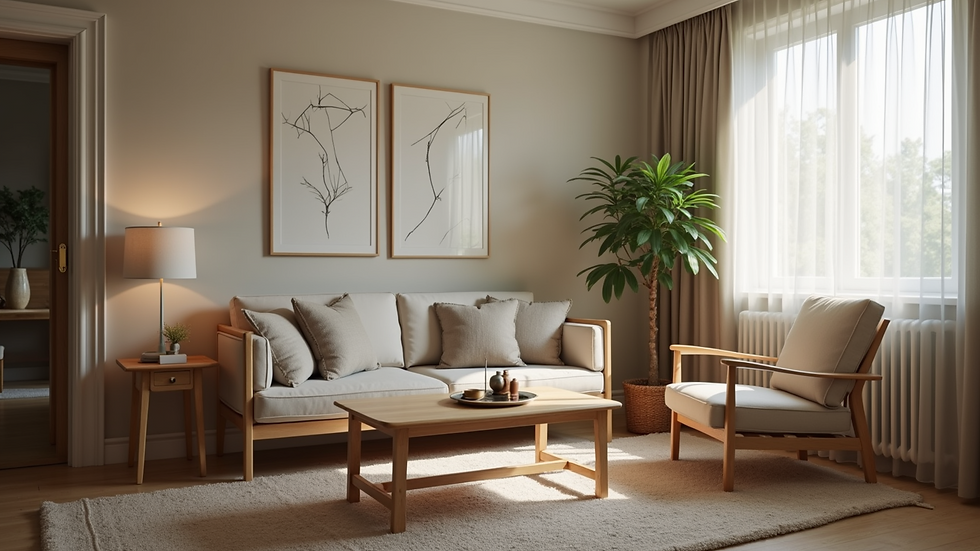
Understanding the Importance of Decluttering
Reduces Stress
A cluttered space often leads to a cluttered mind. When your surroundings feel chaotic, it can be harder to relax, focus, or feel at ease in your own home. Decluttering helps reduce that background stress and creates a sense of order that many people don’t realize they’ve been missing. A cluttered environment can lead to feelings of anxiety and overwhelm. By decluttering, you create a calming atmosphere that promotes relaxation.
Increases Productivity
An organized space allows you to focus better and be more productive. You’ll spend less time searching for items and more time enjoying your activities. An organized space also improves productivity. When you know where things are, you spend less time searching and more time actually living your life. Simple tasks feel easier. Decisions feel lighter.
Improves Health & Enhances Creativity
Clutter can harbor dust and allergens, affecting your health. A decluttered home means fewer piles, less dust and fewer allergens, making it much easier to clean and maintain, leading to a healthier living space.
A clean and organized environment can also boost your creativity. When your space is free from distractions, your mind can think more clearly. A cleaner, more open space gives your mind room to breathe. It can inspire new ideas and help you feel more grounded.
Getting Started with Decluttering
Before diving into decluttering, it’s important to set the stage for success. Trying to do everything at once usually leads to frustration and burnout.
Here are some steps to help you get started:
Set Clear Goals
Define what you want to achieve with your decluttering efforts. Do you want to create more space, reduce stress, or simply organize your belongings? Think about what you want your space to feel like. Calm. Functional. Peaceful. Lighter. Having clear goals will keep you motivated throughout the process.
Create a Decluttering Plan
A well-structured plan can make the decluttering process more manageable. Consider the following:
Choose a Room: Start with one room at a time to avoid feeling overwhelmed.
Set a Timeline: Allocate specific time slots for decluttering sessions. This will help you stay focused and committed.
Gather Supplies: Have boxes or bags ready for items you want to keep, donate, or discard.
Start Small
Starting small is key. A single drawer or shelf is enough to build momentum. Small wins matter, and they create confidence to keep going.
Effective Decluttering Approaches
Decluttering works best when decisions are simple and intentional. As you go through your belongings, ask yourself whether an item is useful, meaningful, or supportive of your current life. If it isn’t, it may be time to let it go. Some people prefer structured approaches, while others like a more intuitive flow. What matters most is choosing a method that feels supportive rather than rigid. The goal is progress, not perfection.
Once you’re ready to start decluttering, consider these effective techniques:
The Four-Box Method
This method involves using four boxes labeled as follows:
Keep: Items you use regularly and love.
Donate: Items in good condition that you no longer need.
Trash: Broken or damaged items that cannot be repaired.
Storage: Seasonal items or keepsakes that you want to keep but don’t need immediate access to.
As you go through your belongings, place each item in the appropriate box. This method helps you make quick decisions and reduces the chances of second-guessing yourself.
The Marie Kondo Method
Marie Kondo’s decluttering philosophy emphasizes keeping only those items that “spark joy.” Here’s how to apply her method:
Visualize Your Ideal Lifestyle: Think about how you want your space to feel and function.
Tackle Categories, Not Rooms: Instead of decluttering room by room, focus on categories (e.g., clothing, books, kitchen items).
Hold Each Item: Physically hold each item and ask yourself if it brings you joy. If not, consider letting it go.
The 30-Day Decluttering Challenge
This challenge encourages you to declutter one item on the first day, two items on the second day, and so on, until you reach 30 items on the 30th day. This gradual approach makes decluttering less daunting and allows you to see progress over time.
Maintaining an Organized Space
Once your home feels more organized, maintaining it becomes much easier. Creating simple habits helps prevent clutter from returning. Here are some tips to help you keep your space clutter-free:
Establish a “One In, One Out” Rule
For every new item you bring into your home, consider letting go of an existing item. This practice helps prevent clutter from accumulating again.
Create Designated Spaces
Assign specific places for your belongings. When everything has a home, it’s easier to put things away and keep your space organized.
Schedule Regular Decluttering Sessions
Set aside time each month to reassess your belongings. This could be as simple as going through a drawer or closet to ensure you’re not holding onto items you no longer need.
Regular check-ins, even once a month, help you stay aware of what’s accumulating. Decluttering doesn’t have to be a big event. It works best as an ongoing practice.
Decluttering Different Areas of the Home
Each area of your home serves a different purpose and may need a different approach. Living spaces benefit from keeping only what you truly enjoy and use. Kitchens feel better when they’re streamlined and functional. Bedrooms become more restful when clutter is minimized. Home offices work best when paperwork and supplies are kept intentional and organized. Here are some specific tips for various spaces:
Living Room
Remove Unused Decor: Keep only the decor that you love and that enhances your space.
Organize Media: Sort through DVDs, books, and games. Consider digital alternatives for items you rarely use.
Kitchen
Purge Expired Items: Check your pantry and fridge for expired food and condiments.
Limit Kitchen Gadgets: Keep only the tools you use regularly. Donate or store away those that are rarely used.
Bedroom
Sort Through Clothing: Go through your wardrobe and remove items that no longer fit or that you haven’t worn in the past year.
Create a Nightstand Routine: Keep only essential items on your nightstand to reduce clutter.
Home Office
Organize Paperwork: Sort through documents and keep only what is necessary. Consider going paperless for bills and receipts.
Limit Desk Items: Keep your desk clear of unnecessary items. Only have essentials within reach.
The Emotional Side of Decluttering
Decluttering often brings up emotions. Items can carry memories, guilt, or attachment to a version of life that has changed. This is normal. It’s okay to acknowledge those feelings without letting them stop you.
Sometimes it helps to focus on what you’re gaining rather than what you’re releasing.
Here are some strategies to navigate the emotional side of decluttering:
Acknowledge Your Feelings
It’s normal to feel attached to certain items. Take a moment to acknowledge your feelings before deciding what to keep or let go.
Focus on the Benefits
Remind yourself of the benefits of decluttering. A more organized space can lead to a more peaceful mind and a happier home.
Consider Taking Photos
If you’re struggling to let go of sentimental items, consider taking photos of them before parting ways. This allows you to keep the memory without the physical clutter.
Conclusion
Decluttering your home doesn’t have to be stressful or rushed. With patience, intention, and the right support, it can be a surprisingly freeing process. Over time, your home can become a place that feels calm, functional, and supportive of the life you’re living now.
Remember to set clear goals, use effective techniques, and maintain your decluttered environment. With a little effort and commitment, you can transform your home into a sanctuary that reflects your lifestyle and values. Start your decluttering journey today and enjoy the benefits of a clutter-free life!


Comments